

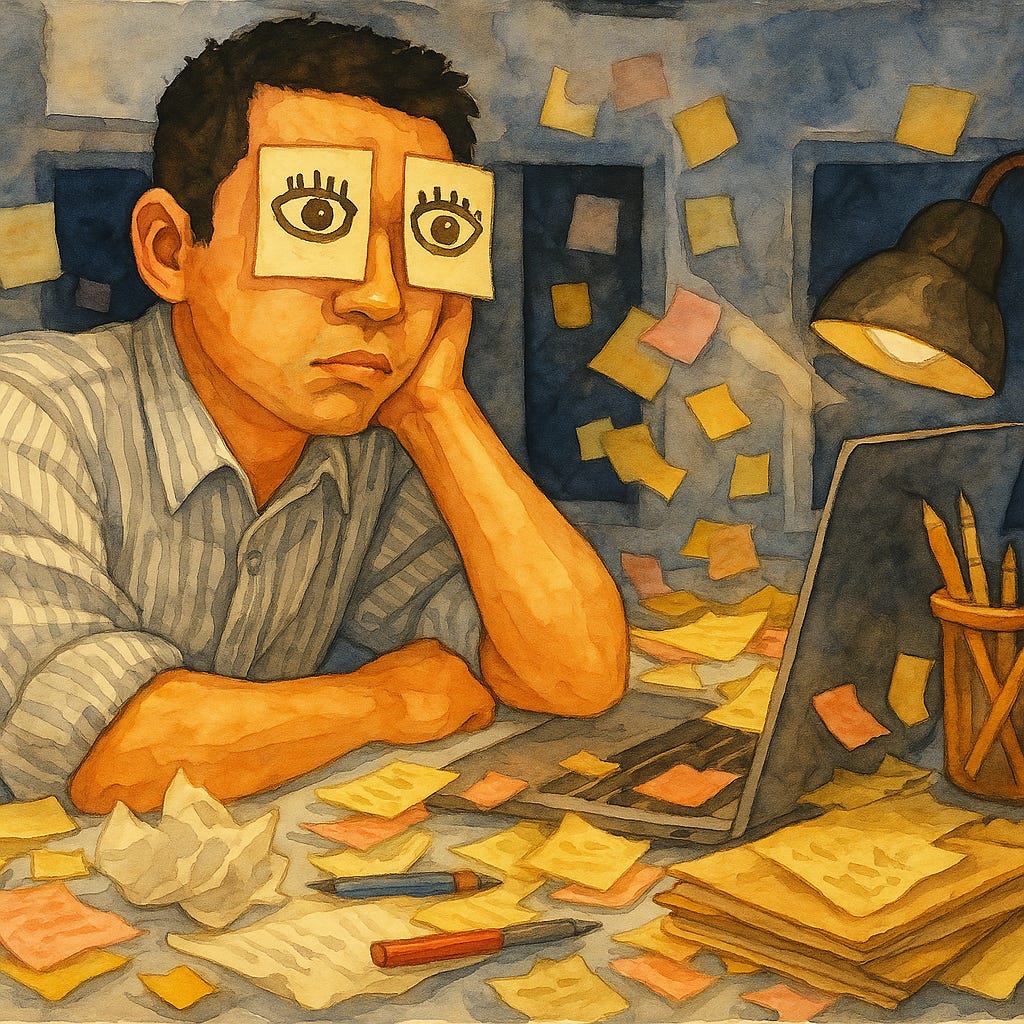
In the previous post, I talked about Achievement Addictive Disorder, using myself as a case study. Granted, working hard is surely a merit to be encouraged and celebrated in our society. It is when things go to the extreme that causes pathological problems. Some of the AAD symptoms can be found in a lot of the high achievers, entrepreneurs and professionals working in fast-moving industries like tech and finance. Cultural, social and environmental influences on the side, there are psychological and emotional aspects that contributed to the individual’s tendency to suffer from this condition. In this post, I’m sharing a few prevalent issues that I found highly relevant to achievement addictions.
Note: The names and details of the coaching examples below are composites and have been altered to respect confidentiality.
Lack of Self-Love and Acceptance
People seek love and acceptance from others, but we also need constant, non-judgemental self-love and self-acceptance. I can’t be more familiar with this yearning. I grew up in a familial and cultural background that I have not learned to maintain a level of healthy self-love. When I do not find enough love and acceptance from myself, which is very often, I try to boost it using external factors. Work is a perfect endeavor to cultivate self esteem. It’s absolutely fine until I put in so much time and effort, and associate my entire identity with work. My professional achievement equates to my self worth. The worst part of it is: the more you work, the more you hold on to this illusion.
Marie, a coaching client, is a successful marketing professional and has a loving family, but frequently finds herself sabotaging her relationship by overworking.
Marie: I work at least 70 hours a week and sometimes 80 at my job. I don’t have any energy left to spend with my family and kids. My husband has been complaining all the time and I haven’t had any friends for a long time.
Me: You surely put all you can into work; what does that mean to you?Marrie: I cannot not work that much. If I don’t, I feel worthless. What have I achieved this week? If I don’t get these things done, why am I even here?
Marie: I cannot not work that much. If I don’t, I feel worthless. What have I achieved this week? If I don’t get these things done, why am I even here?
Social Judgement and Comparison
As social animals, we look for love, approval and appreciation from others all the time. However, without enough consciousness, our seek turns obsessive. Over the years of my tech career, perfectionism and fear of failure have been my two worst friends. Overworking with the goal of doing things perfectly, to be better than others or impress others, actually reduces the efficiency, and sometimes the quality of work itself. Fear of failure acts as a constant, annoying reminder on the side every time you try to loosen the grip of this addiction. Fear could even distort your understanding of reality. Unconsciously, I put my own negative, judgemental self-talk into the mouths of people around me. Instead of seeing others as collaborators and supporters, they come up as commentators, and worse yet, judges.
Social comparison could be another driver for people’s AAD. The root of this psychological tendency can be found in early years of one’s life, adolescent or even younger, when peer pressure from friends at school might have caused troubling memories.
Patricia had a successful career in her current company, being promoted to Director of Business Development last year.
Patricia: I’ve been working non-stop for the last six months, day and night. But I still feel that’s not enough.
Me: What makes you believe that you are not doing good enough.
Patricia: Lauren, the new VP, is the same age as I am. I fear that I’ve not been on a faster trajectory and I’ll regret it in a few years.
Escape or Avoidance Mechanism
Just like alcohol and other addictive substances, overworking is really “effective” in helping people escape from their life’s challenges and troubles. When immersed in work, enjoying the highs and indulging the lows, you don’t have to face those “hard” problems in life, like your relationships, family issues, and sometimes your health. You put on your professional mask and lose yourself in it. You wear this VR goggle and let the 360-degree experience take over your mind. The bad news is, just like any substance, you have to take off this mask and goggle, and experience the unpleasant withdrawal. Worse yet, your other problems in life are not solved.
Giovanni is trying to save a struggling relationship with his wife, and is also frustrated that both his teenage kids are estranged from him.
Giovanni: I’m very excited about this new opportunity to move to the global business unit. I will be able to expand my scope. I’ll have to split my time between London and California, and manage an important part of our European business.
Me: That definitely sounds like a great opportunity career wise. What would it mean to you and your family?
Giovanni: I haven’t thought about it yet. Do you think I should discuss it with my wife?
There are of course other reasons why hard working ethics turn into addictive and pathological. Some people are simply afraid of making a change, either adjusting the way they work or the environment they work in. A familiar feeling of being stuck appears to be more acceptable than embracing any unknown. Another common reason is financial insecurity, in a pure economic sense or emotional perspective, which I will explore further in my next blog. Stay tuned.